
Top Reasons to Choose Studded Tires for Your Vehicle
Oct 23,2025
Studded tires are designed specifically for winter driving, equipped with metal studs embedded in the tread. These studs increase grip on icy and snowy surfaces, providing the traction necessary for safe driving in harsh winter conditions. Unlike regular tires, studded tires enhance a vehicle's handling, stability, and overall safety during the cold months.
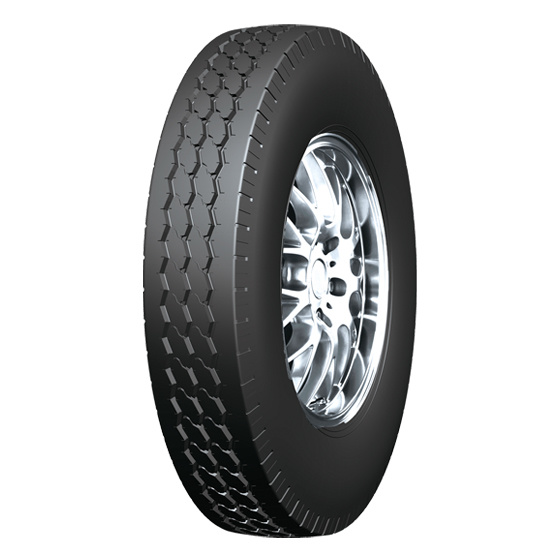
The Mechanics Behind Studded Tires
Studded tires feature hardened steel or tungsten studs that penetrate ice and grip it effectively. The design of the tire tread complements these studs by channeling away water and slush, which can otherwise lead to hydroplaning. This combination is essential for ensuring that the tires maintain contact with the road, even in the most challenging of winter driving conditions.
The Benefits of Choosing Studded Tires
When it comes to winter driving, studded tires offer several unique advantages. Here are the top reasons to consider investing in them:
1. Enhanced Traction on Icy Surfaces
The primary advantage of studded tires is their ability to provide exceptional traction on icy roads. The metal studs dig into the ice, allowing the tires to grip the road better than traditional winter tires. This feature is particularly beneficial in areas that experience severe winter weather.
2. Improved Braking Performance
Studded tires significantly reduce stopping distances on icy surfaces. With better grip, vehicles equipped with studded tires can come to a halt more effectively, minimizing the risk of accidents in winter conditions. The braking performance can be the difference between a near miss and a serious collision.
3. Enhanced Stability and Control
Drivers often report improved stability and control while navigating slippery roads with studded tires. This stability translates into a smoother driving experience, allowing for better handling of the vehicle during sudden turns or stops. This can be crucial in emergency situations where decisive action is necessary.
4. Versatility for Varying Road Conditions
Studded tires aren't just for ice; they perform well on snow-covered roads as well. The combination of studs and tread design allows for effective navigation through various winter conditions, making them a versatile choice for drivers in snowy regions.
5. Increased Confidence While Driving
Knowing that you have the best possible traction on icy roads can boost your confidence, allowing you to drive with more assurance during winter months. This mental ease is invaluable for drivers who regularly face challenging weather conditions.
When to Use Studded Tires
Understanding the appropriate times to use studded tires is crucial for maximizing their benefits. Here are some guidelines:
Ideal Weather Conditions for Studded Tires
Studded tires excel in freezing temperatures, particularly when roads are covered in ice or packed snow. They are most beneficial in temperatures consistently below 7°C (45°F). In warmer conditions, the studs can cause excessive wear on the tires and can damage road surfaces.
Regional Regulations on Studded Tires
Before purchasing studded tires, it's essential to check local regulations, as some regions impose restrictions on their use. In certain areas, studded tires are only allowed during specific months or under particular conditions. Understanding these regulations can help you avoid fines and ensure compliance.
Installation and Maintenance of Studded Tires
Proper installation and maintenance of studded tires are critical for maximizing their effectiveness and longevity.
Professional Installation vs. DIY
While some experienced drivers may choose to install studded tires themselves, professional installation is recommended. Experts ensure that the tires are mounted correctly, balanced, and aligned, preventing premature wear and maximizing performance.
Maintaining Your Studded Tires
Regular maintenance can prolong the life of your studded tires. Here are some tips:
- **Check Tire Pressure Regularly**: Proper inflation is crucial for optimal performance. Low tire pressure can reduce traction and increase wear.
- **Rotate Tires**: Frequent tire rotation helps ensure even wear, extending the life of your studs.
- **Inspect for Damage**: Regularly check for any visible damage or missing studs. Addressing issues early can prevent further complications.
Alternatives to Studded Tires
While studded tires offer many advantages, they are not the only option available for winter driving.
Studless Winter Tires
Studless winter tires utilize advanced rubber compounds and tread designs to provide traction without the use of metal studs. These tires perform well in snow and ice, offering a quieter ride on bare pavement. However, they may not match the grip of studded tires in severe icy conditions.
All-Season Tires
All-season tires are designed for versatility and can handle a range of road conditions, including light snow. However, their performance in severe winter conditions is generally inferior to that of studded or dedicated winter tires. For drivers in regions that experience harsh winters, studded tires are often the safer choice.
Choosing the right tires for winter driving is crucial for safety, control, and performance. Studded tires stand out as a premier choice for enhancing traction and stability on icy surfaces. Their unique design and functionality offer drivers the confidence to navigate through challenging winter conditions effectively. By understanding their benefits, proper maintenance, and regional regulations, you can make an informed decision that keeps you safe on the road. Investing in studded tires could be one of the best choices you make for your vehicle this winter.
Related Posts
Tel.
E-mail:


